
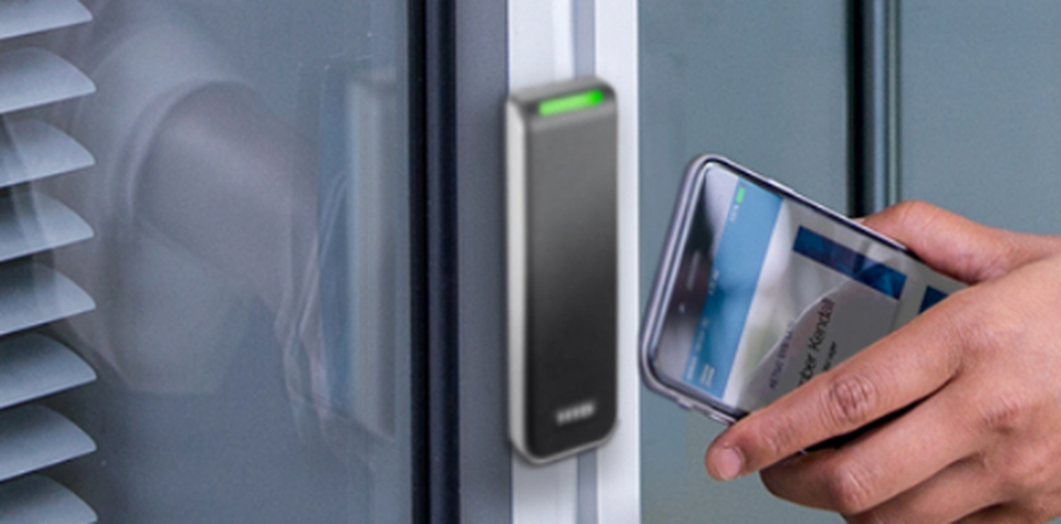
“How Does OSDP Improve Security and Operational Efficiency 』?
We're dividing this topic into three articles to systematically discuss how communication protocols in access control systems affect their security. This is the third part — below are the first two articles: (Click here to watch)
《Factors Affecting Access Control System Security》
《The Difference Between OSDP and the Traditional Wiegand Protocol》
In the first two chapters, we discussed the factors affecting access control system security and the origin and technical features of the Open Supervised Device Protocol (OSDP). In this article, building on OSDP's technical features, we'll explain how OSDP improves security and operational efficiency.
『 OSDPHow OSDP Improves Security 』?
To help everyone better understand the security transformation OSDP brings, here's a video screenshot:
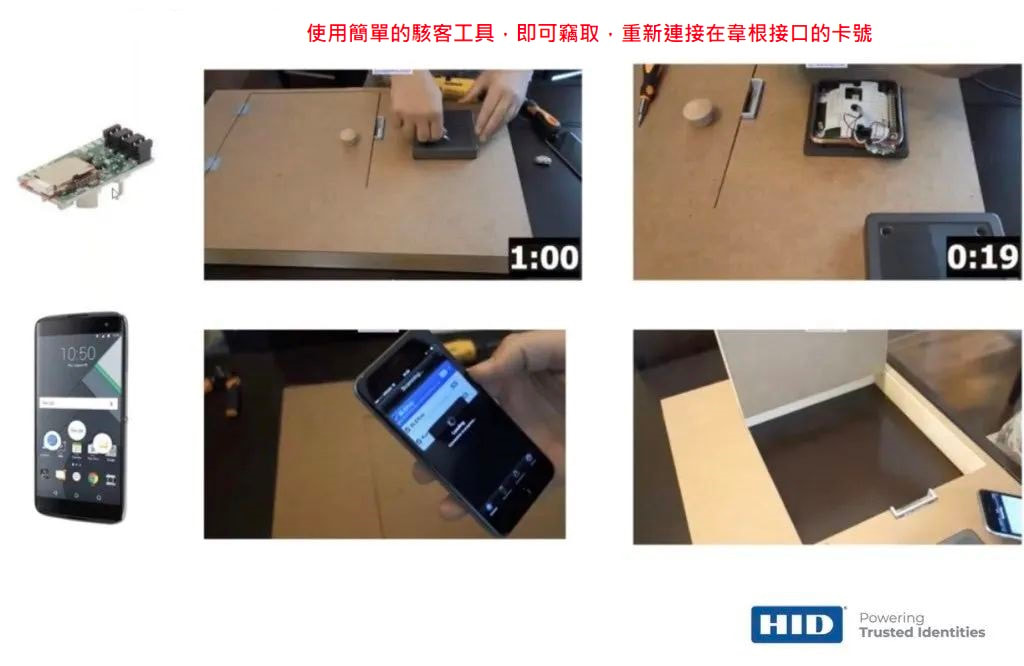
Figure 1: Hacker Cracking Wiegand Technology
In the video, within just one minute, a technician installs a Wiegand signal-interception module into a card reader. Afterward, this interception module can not only capture the card-swipe data on the line, but also transmit this data via Bluetooth to a phone, which then receives the card number information. The phone can then replay the captured card number data back onto the Wiegand bus to simulate the card-swipe process, which can likewise open the door.
If you leave your card reader unattended for just one minute, a skilled technician could install an interception module like this, and once it's installed, the entire access control system becomes essentially useless. In theory, a reader's tamper protection could prevent someone from disassembling it. But because Wiegand is inconvenient to use, tamper protection requires a dedicated wiring circuit — not only does the reader need this wire, but the controller also needs a dedicated tamper interface. As a result, few projects actually enable the tamper feature when using Wiegand, resulting in relatively low security.
『 OSDPGreatly Improves Operational Efficiency”
In terms of operational efficiency, using OSDP can greatly reduce wiring costs by reducing the number of wires needed. The original Wiegand technology required at least 4 to 7 control signal wires in addition to power, while with OSDP, just 2 wires can solve all these problems.
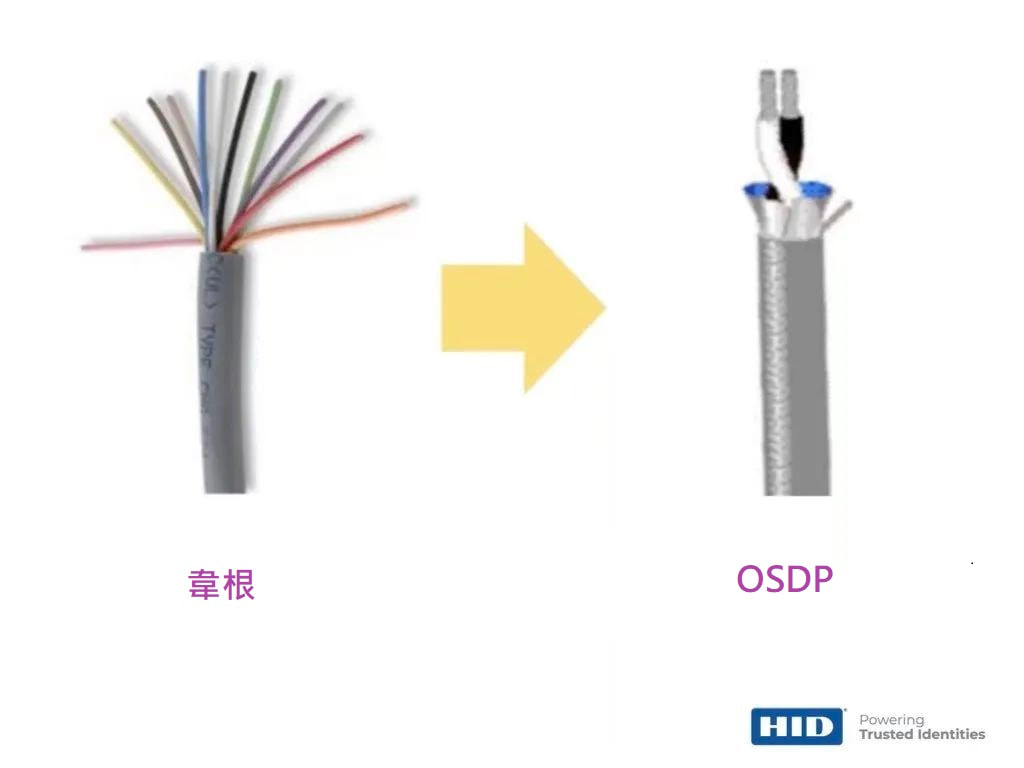
Figure 2: Comparison of Wiegand and OSDP Wiring Harnesses
This not only saves cost but also greatly improves the ease of system maintenance. For example, with just two wires, if they're connected incorrectly, simply reversing them solves the problem — but with 3 or 4 wires, the complexity of troubleshooting a miswiring increases dramatically. What's more, access control systems are typically used for several years or even over a decade. The original installers may have understood the wiring thoroughly, but as personnel change, less experienced maintenance staff later on may be completely unable to make sense of so many wires. In addition, since Wiegand is a single-node connection method while OSDP is multi-node, OSDP can save costs in certain special use cases. Let's look at an application example:
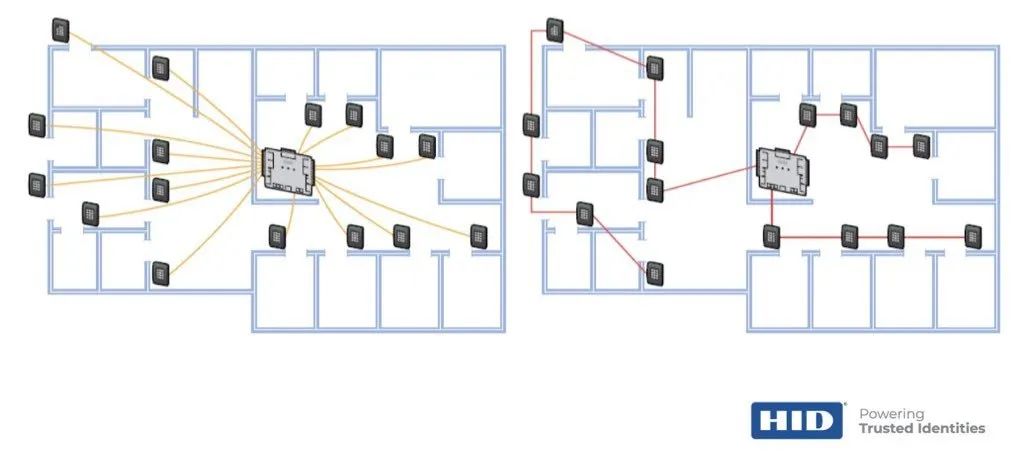
Figure 3: Wiring Diagram Comparison — Wiegand (Left) vs. OSDP (Right)
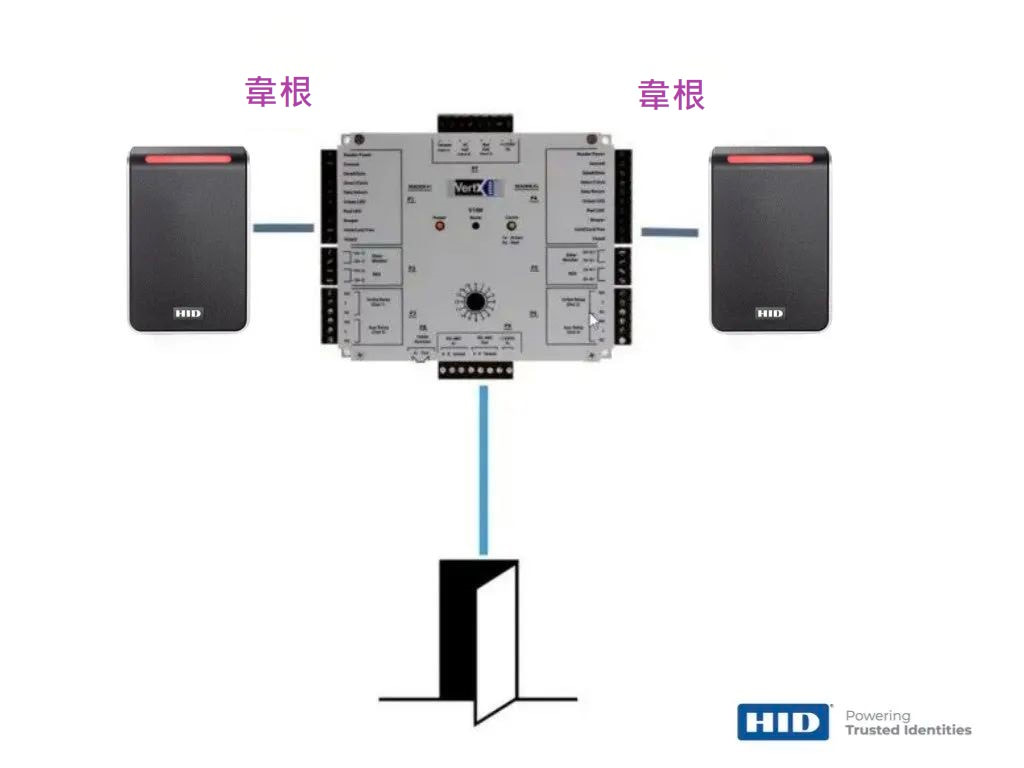
Figure 4: OSDP Card Reader Control Diagram
In this same example, OSDP supports multi-point connections — one port can connect to two card readers, distinguished by address. In this setup, the two door-release relays on the controller can be fully utilized, reducing the number of controllers needed. In addition, using OSDP also greatly improves card reader management.
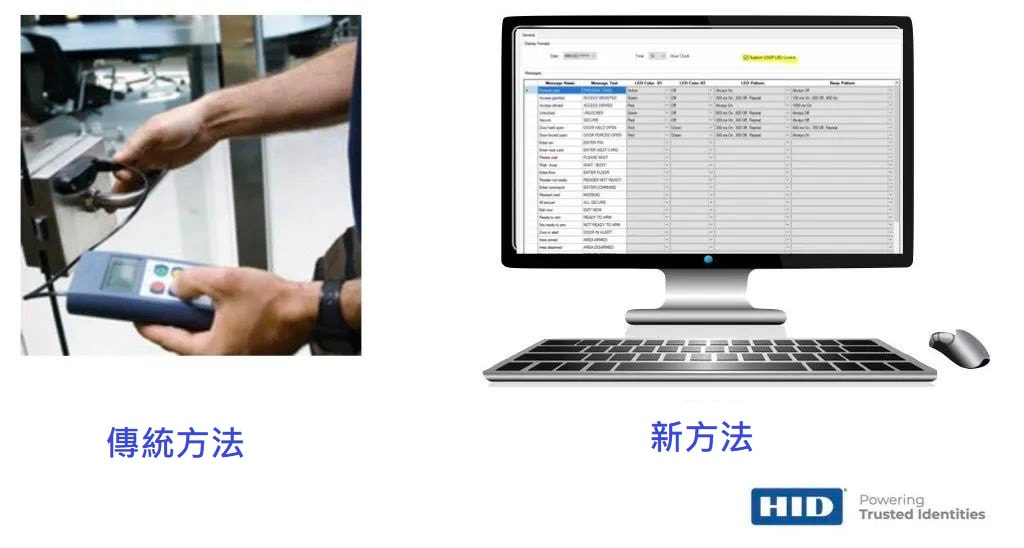
Figure 6: How OSDP Transforms Card Reader Management
『 OSDP's Future 』
The adoption of OSDP technology has grown from a collaboration between a few companies to becoming an international standard under the IEC in 2020. We've seen more and more security vendors offer customers a wider choice of OSDP devices, whether controllers or card readers. More and more end users are recognizing the importance of technical security and are widely adopting OSDP to improve the security, efficiency, and flexibility of their security systems, driving visible progress in the data transmission and protection of physical access control systems. We know that more and more devices support the OSDP protocol and more and more users are adopting OSDP, but promotional efforts must continue in order to further the intelligence, security, and investment returns of access control systems. We firmly believe that OSDP technology will ensure that more companies see a continued return on their access control investment, and will genuinely protect people and assets for decades to come. With the widespread adoption of proprietary CPU technology resolving the security of card-to-reader interaction, OSDP, with its open protocol and secure mechanisms, will further strengthen the communication mechanisms of security devices and lay a solid foundation for the development of security systems across all kinds of organizations. Industry leaders such as HID have played a key role in developing these standards, dedicated to providing customers with physical access control system solutions that achieve the highest level of security and protect them from external threats. HID is committed to providing guidance and innovation for the security industry, making it a truly trustworthy partner. HID works together with integrator partners and end-user customers to provide enhanced protocols for a wide range of products aimed at raising the level of protection.
~ End of Article ~