
What Are “Optical Zoom” and “Digital Zoom”? What's the Difference?
Optical zoom and digital zoom are two different zoom technologies for cameras, each with its own advantages and disadvantages. Below is a comparison of their characteristics.
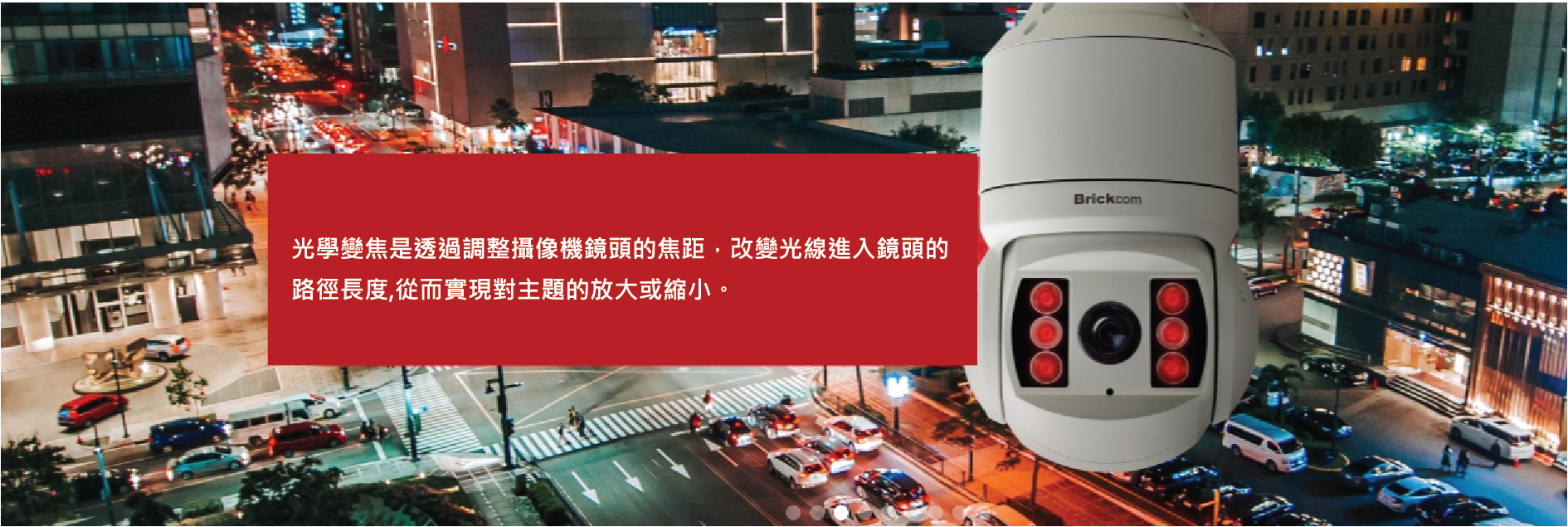
Pros:
Preserves Image Quality: Optical zoom magnifies using the lens, achieving lossless magnification without noticeably affecting image quality.
Higher Resolution: Optical zoom typically delivers higher resolution and detail capture, since it relies on the physical zoom of the optical lens.
Natural Perspective: Optical zoom produces a relatively natural change in field of view, similar to how the human eye perceives zooming in on an object.
Drawbacks:
Limited Zoom Range: A camera's optical zoom range is typically fixed, meaning no further zoom is possible once the maximum zoom ratio is reached.
Size and Cost: Optical zoom requires a complex lens system, which can increase the camera's size and cost.
Not Ideal for Real-Time Zooming: When real-time zoom is needed to track moving objects or capture dynamic scenes during filming, optical zoom may not be flexible enough.
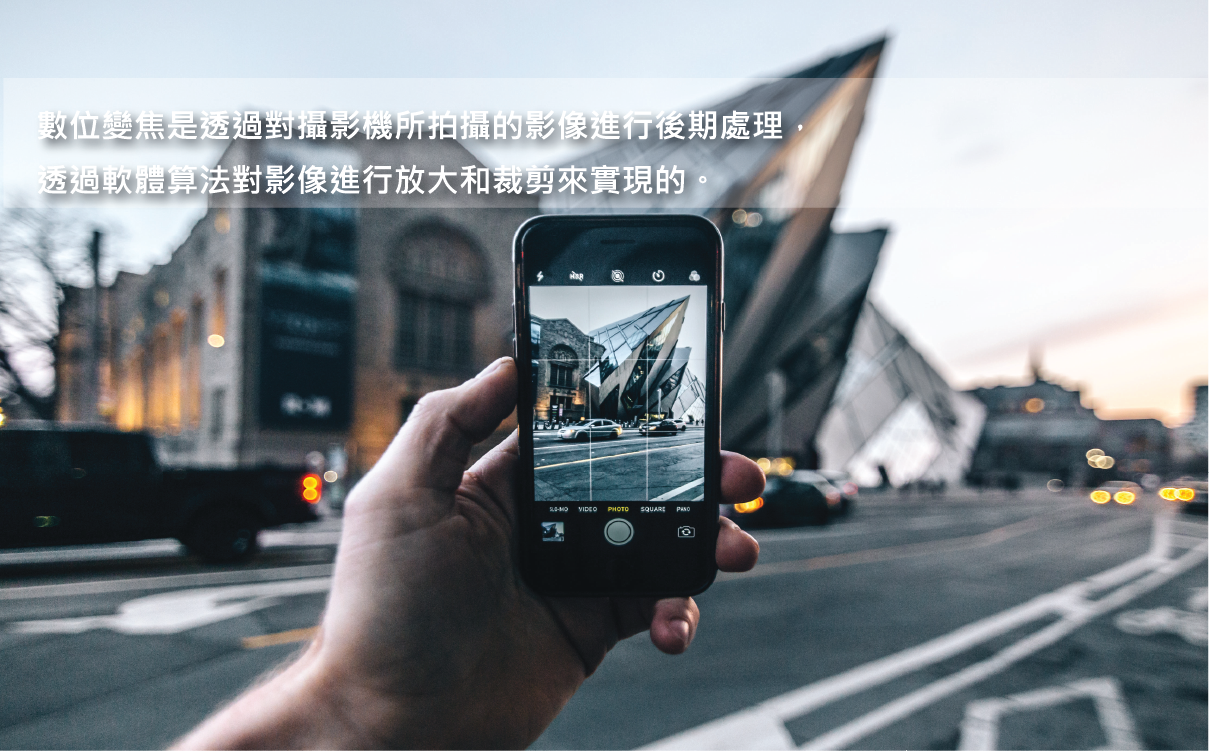
Pros:
Larger Zoom Range: Digital zoom typically offers a larger zoom range, allowing further magnification on top of the optical zoom.
Lightweight and Economical: Digital zoom requires no additional optical lens, enabling a lighter and more cost-effective camera design.
Drawbacks:
Reduced Quality: Digital zoom is actually achieved by cropping and enlarging the image, which can lower image quality, lose detail, and increase image noise.
Lower Resolution: Digital zoom typically reduces image resolution, since it only enlarges an already-captured image rather than performing true optical magnification.
Perspective Distortion: Digital zoom can distort the field of view, especially at maximum magnification, potentially causing image warping or deformation.
“Under what circumstances should I choose which zoom method?”

Optical Zoom:
When High Image Quality Must Be Maintained: If you want sharpness, resolution, and detail without blur or pixelation, optical zoom is the better choice. When You Want a Real-Time Zoom Preview: Optical zoom provides a real-time zoom preview, letting you see the effect instantly in the viewfinder or on the display, which helps you choose the right focal length.
Digital Zoom:
When a Larger Zoom Range Is Needed: If you need a larger zoom range to capture distant subjects or shoot from far away, digital zoom is a suitable option, achieving a larger zoom range through image cropping and enlargement. It's also useful when carrying lightweight equipment matters to you, or when you need to shoot quickly while traveling or on the move, since digital zoom offers a compact, portable option. Some cameras also combine optical and digital zoom, known as hybrid optical/digital zoom. This approach provides a larger zoom range while maintaining a certain level of image quality, and can be used when more flexible zoom options are needed.
Overall,optical zoomhas the advantage in imagequality and detail capture,whiledigital zoomis more flexible and economical inzoom range and camera design.。
Which zoom method to use depends on the specific scene requirements and shooting environment — use the zoom method best suited to the situation to achieve the best results.