
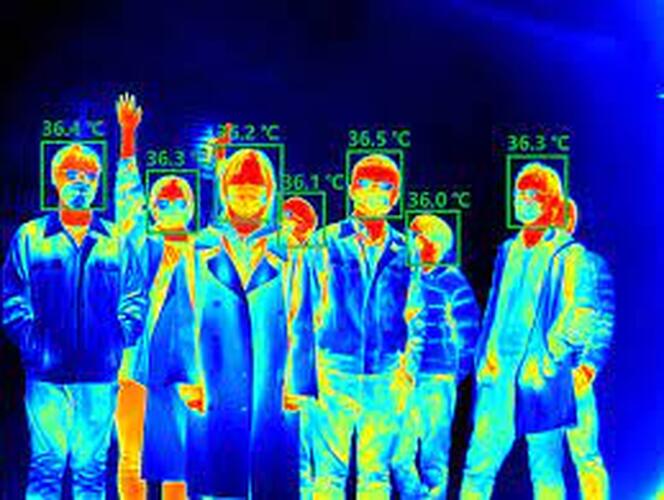
Over the past nearly two years, we've found ourselves in a situation where temperature checks are constantly needed — especially at shopping malls and transit stations, where you can always spot a screen
displaying a yellow-green-red-orange-blue image that pops up a temperature reading. This is a thermal camera at work, instantly detecting anyone with an elevated body temperature,
reducing the need for close-contact measurement and addressing the challenge of checking temperatures for large crowds. But besides quickly measuring temperature, are there other applications?
The answer is yes — and it's actually related to the trash we produce every day.
In this issue, Mr.Q shares a real-world application case.
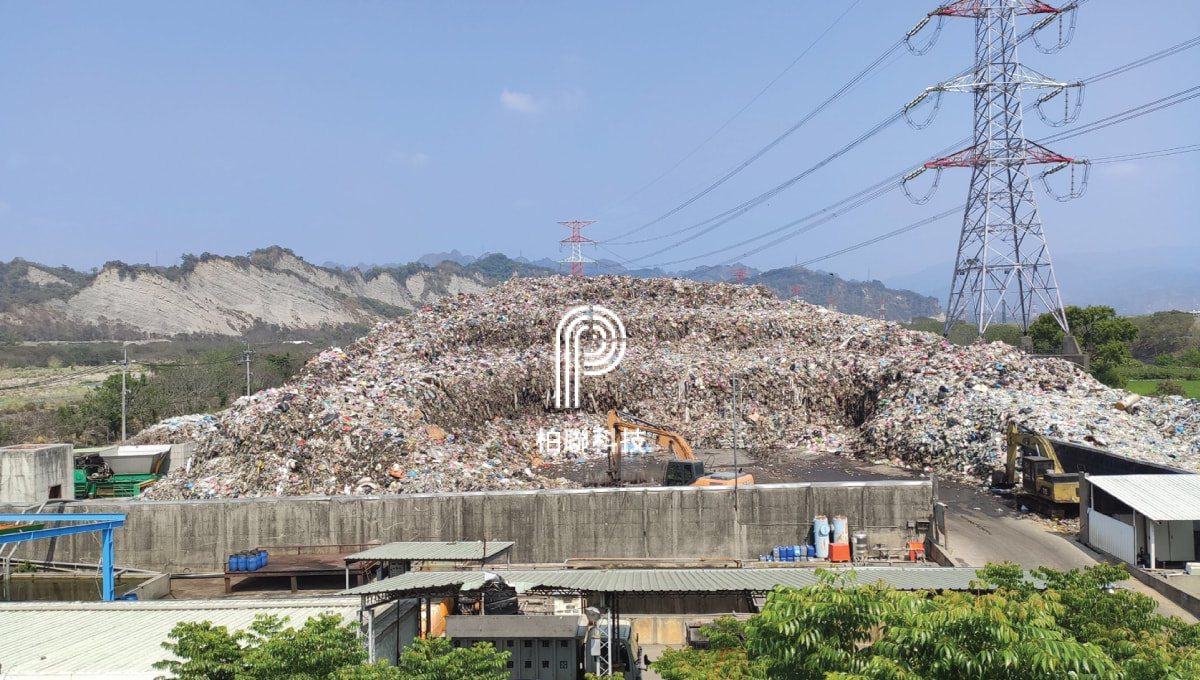
Each person in Taiwan produces an average of 417 kg of waste per year. Besides affecting environmental hygiene, large amounts of waste create another problem: methane gas. Methane is a flammable gas that can ignite violently when exposed to a spark. Taiwan's summer heat is something everyone has experienced — high temperatures combined with methane from accumulated waste create a serious fire risk, since methane ignites easily. If a fire breaks out outside of working hours, it often spirals out of control, and the foul odor and toxic substances produced can seriously harm the health of nearby residents.
Nantou County has no incinerator, which led to more than 50,000 tons of waste piling up at the Caotun waste transfer station, forming a literal mountain of trash. The summer heat repeatedly triggered smoldering fires, causing air pollution. A major fire broke out there in November 2020. To prevent this from happening again, thermal cameras are now used to detect fires at the earliest possible moment. These IP-based thermal cameras monitor the area's temperature around the clock. Four thermal cameras are installed at the site, and when the detected temperature exceeds a set threshold, staff are dispatched to spray water and cool the area, or use the on-site network to immediately issue alerts via app or email, sending alarm messages to the relevant units and notifying the fire department to assist with the response.
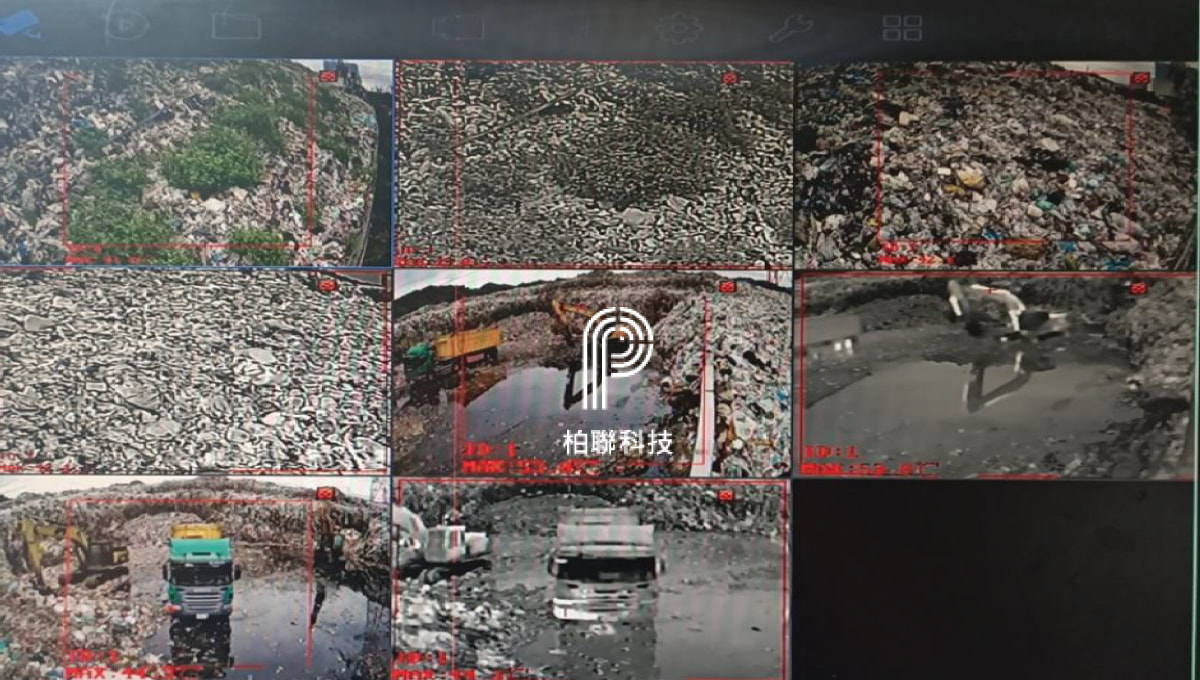
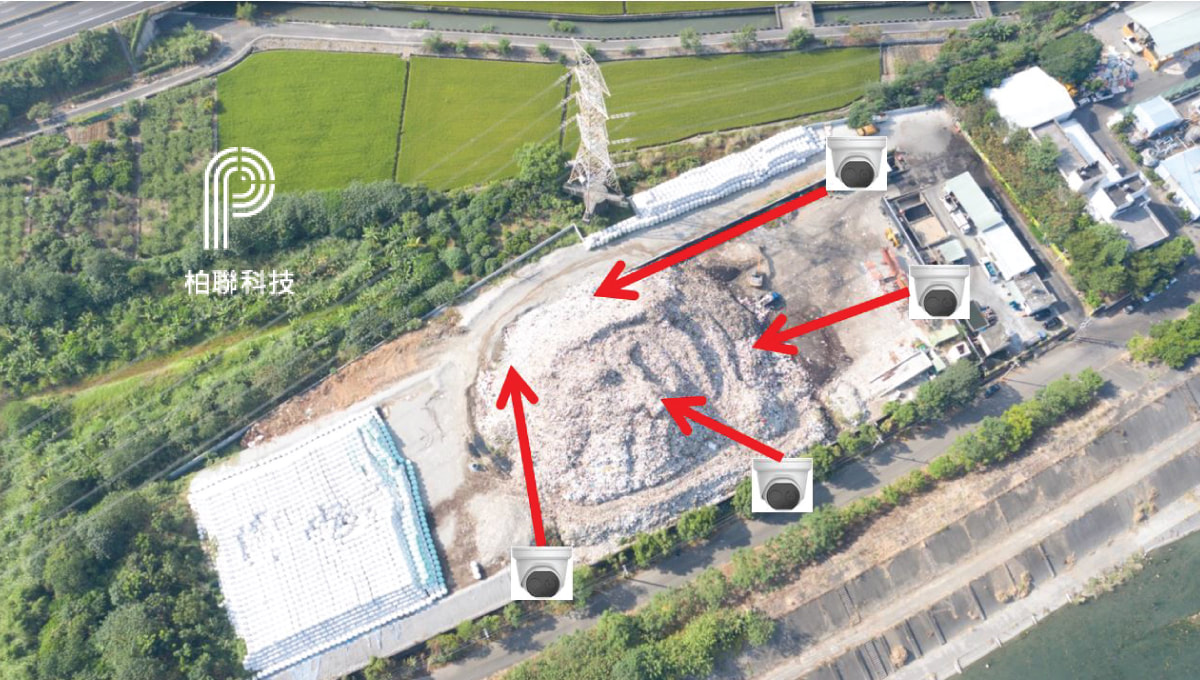
Because the site covers such a large area, it was divided into four sections, each monitored by one thermal camera from a different angle.
After installation, a fire did later break out, and the thermal camera proved its early-warning value — from the moment the alarm was triggered to the fire being extinguished took only about 20 minutes, successfully stopping it from spreading. The benefits of this approach include:
- Reduces the need for large-scale manual patrols
- Synchronized local and remote management
- Quickly pinpoints potential fire sources
So thermal cameras aren't just for measuring body temperature — they have many more applications as well.
That's all for this issue of Mr.Q. We'll keep sharing more case studies with you regularly — see you next time!