
Smart Buildings Beneath the Silver Whale: Connecting to an International Cruise Hub with Smart Security
Far EasTone Telecommunications Wins the APIGBA Platinum Award for Smart Green Building
Pro-Link Is Proud to Be Its AI Technology Partner
The Asia-Pacific Intelligent Green Building Alliance (APIGBA) announced the 2025 APIGBA Awards, with Far EasTone Telecommunications receiving the highest honor, the Platinum Award in the System category, for its "Smart Operations Management Platform" at the Kaohsiung Port Cruise Terminal.
As one of the core system providers and AI technology partners for this project, Pro-Link helped build the smart security and AI video analytics system for the cruise terminal, helping Far EasTone integrate a complete 5T smart building architecture that embodies the core principles of smart buildings: intelligence, energy efficiency, innovation, sustainability, and safety and comfort.
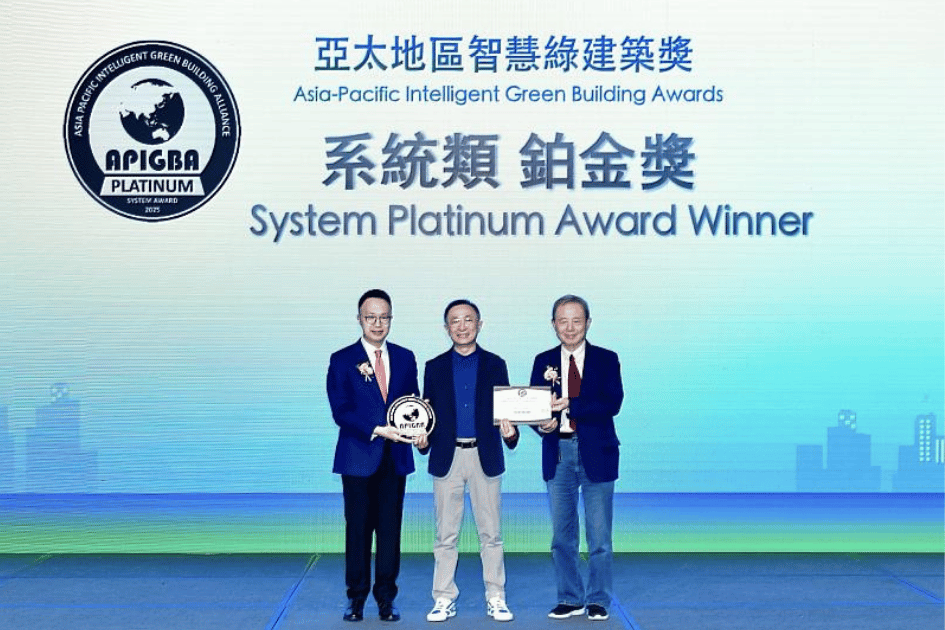
The award was accepted on behalf of Far EasTone by Deputy General Manager of Enterprise Business Huan-Yuan Kao (center).
From Smart Security to a Smart Building Benchmark
Kaohsiung Port Cruise Terminal: Showcasing Taiwan's World-Class Smart Building Capabilities
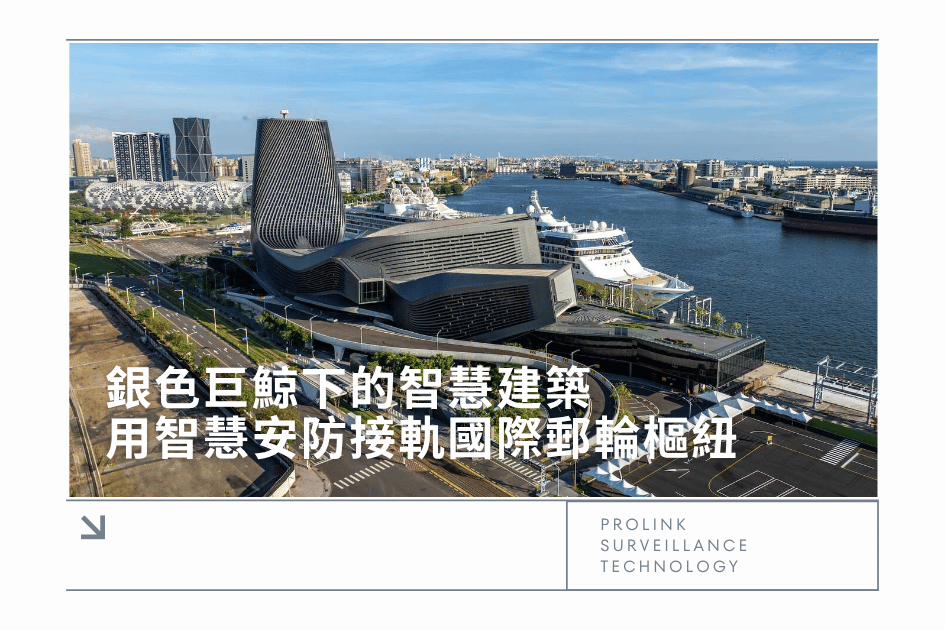
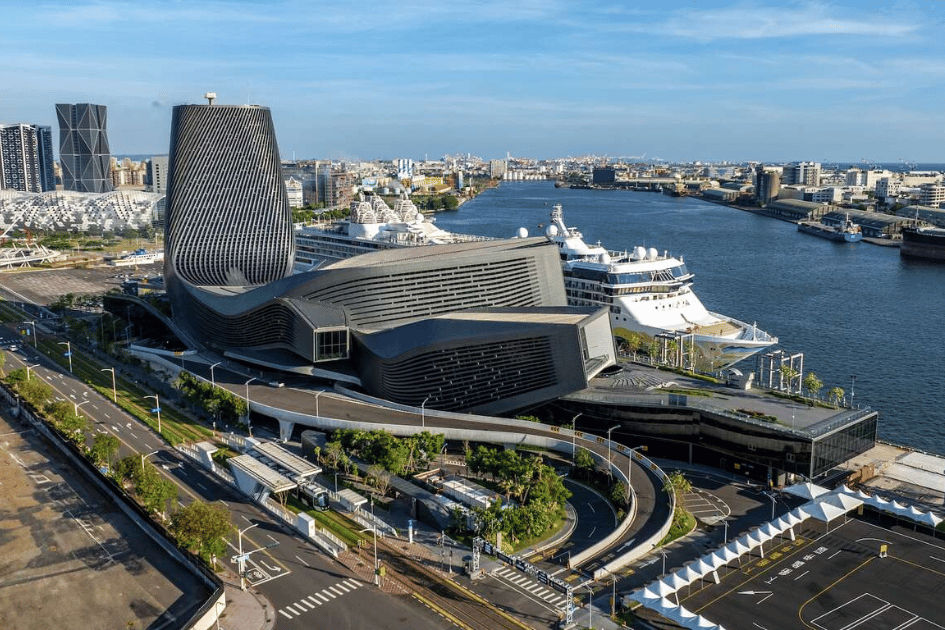
The Kaohsiung Port Cruise Terminal is a landmark international cruise hub in Taiwan, having welcomed over 134 cruise ship calls and more than 200,000 domestic and international passengers since opening.
With its silver whale-shaped exterior, it has become a new landmark on Kaohsiung's harbor, combining art and technology.
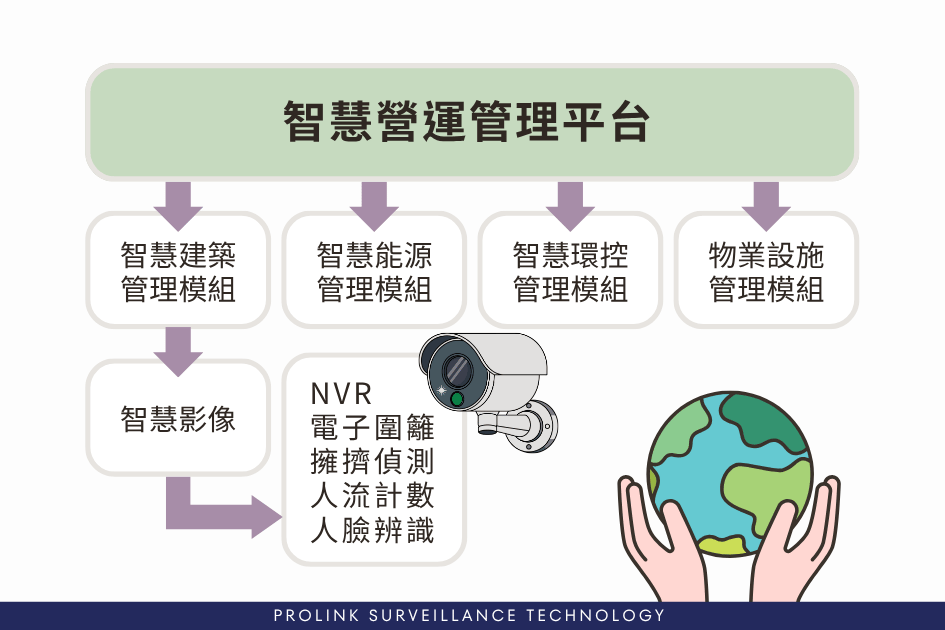
To ensure safety and operational efficiency in this high-traffic venue,Pro-Link deployed a building-wide AI smart security CCTV system, combining AI video analytics with a high-performance computing platform of 21 NVIDIA GPUs, integrated with the command center's smart operations management platform to comprehensively improve real-time monitoring and safety alert capabilities.
We also integrated the terminal's visitor checkpoint and staff access management systems, building an "inside-out" smart protection framework spanning internal security control to external visitor reception.
With AI technology's support, staff can focus on higher-value service and operational work, positioning the Kaohsiung Port Cruise Terminal to meet international standards as a new benchmark among global cruise hubs.
Built on Taiwan's Smart Building Foundation
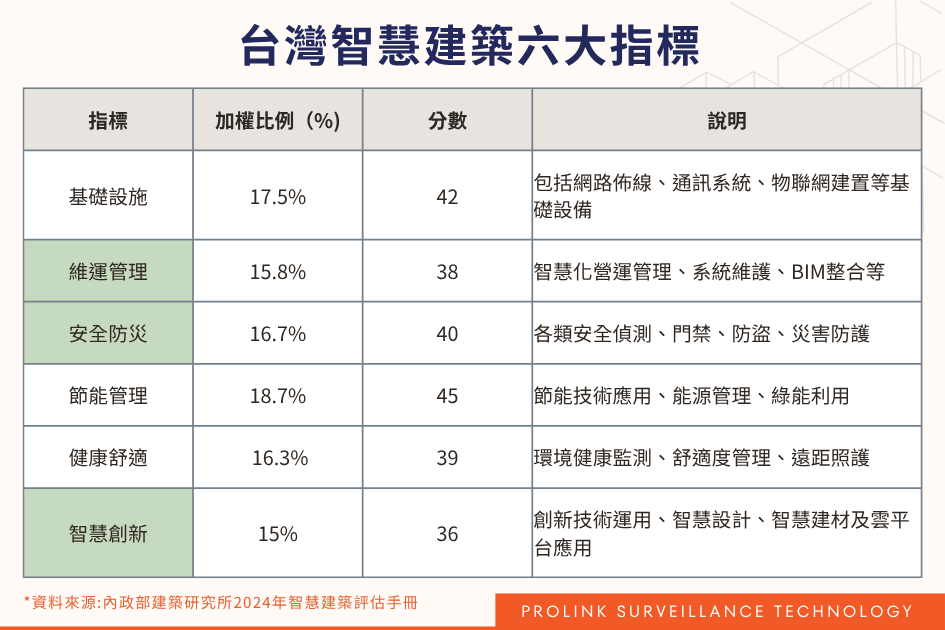
Taiwan's Six Smart Building Indicators
The honor for Kaohsiung Port Cruise Terminal not only marks Taiwan's smart buildings reaching the international stage, but also reflectsthe "Six Smart Building Indicators" promoted by Taiwan's Architecture and Building Research Institute,namely:Infrastructure, operations and maintenance management, safety and disaster prevention, energy management, health and comfort, and smart innovation.
From the proposal stage, Pro-Link used Taiwan's smart building certification framework as its foundation, incorporating "proactive sensing" and "AI/ICT integration" principles into the system design, giving the building intelligent management capabilities in its daily operations.
This project's AI smart security system is not just a technology showcase for a single site, but a real-world example of smart building adoption in Taiwan.
Based on the six-indicator framework, Pro-Link successfully delivered on core items including operations and maintenance management, safety and disaster prevention, and smart innovation, and can extend this integrated smart security and operations platform experience to public buildings, office buildings, commercial facilities, factories, warehouses, educational institutions, medical facilities, transportation hubs, and other building types,helping more buildings earn bonus points when applying for smart building certification and accelerate their smart upgrades.
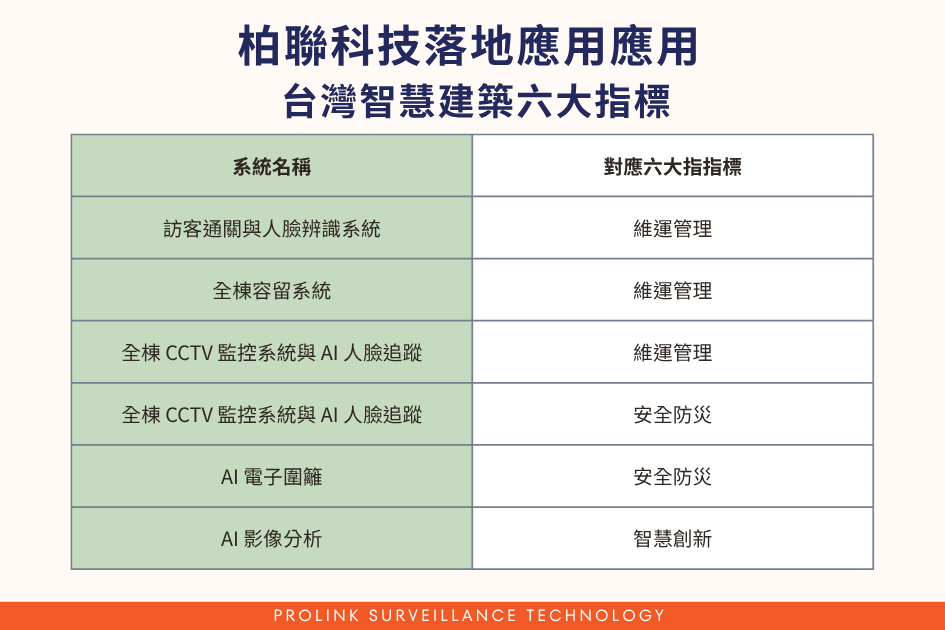
Pro-Link's Successful Smart Building Deployment in This Project
People Counting Analytics and AI Crowd Congestion Alert System
As an international passenger facility, the terminal must ensure that departure and arrival flows are separated and run smoothly.
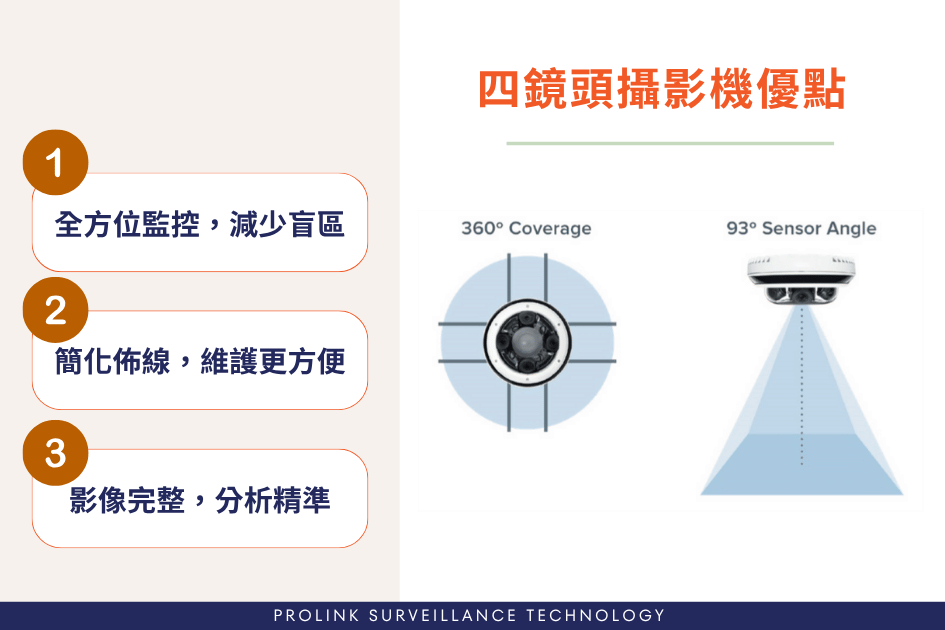
To strengthen on-site order and passenger safety, four-lens IP cameras are deployed at key locations such as immigration control areas, the waiting hall, and lobby entrances, using real-time video analytics to track occupancy density in each zone. When foot traffic reaches a set threshold, the system automatically triggers a "congestion alert," linking to the public address system to guide passengers away from crowded areas with voice announcements.
Advantages of Four-Lens IP Cameras:
- 360-degree coverage, fewer blind spots: a single device covers multiple angles, greatly expanding monitoring range.
- Simplified wiring, easier maintenance: one multi-lens camera can replace several single-lens cameras, reducing installation and maintenance costs.
- Complete coverage, precise analytics: multi-lens coverage with minimal overlap supports accurate AI foot traffic and density analysis.
Building-Wide Occupancy Management System
As an international passenger facility, the terminal must ensure that departure and arrival flows are separated and run smoothly.
To strengthen on-site order and passenger safety, four-lens IP cameras are deployed at key locations such as immigration control areas, the waiting hall, and lobby entrances, using real-time video analytics to track occupancy density in each zone. When foot traffic reaches a set threshold, the system automatically triggers a "congestion alert," linking to the public address system to guide passengers away from crowded areas with voice announcements.
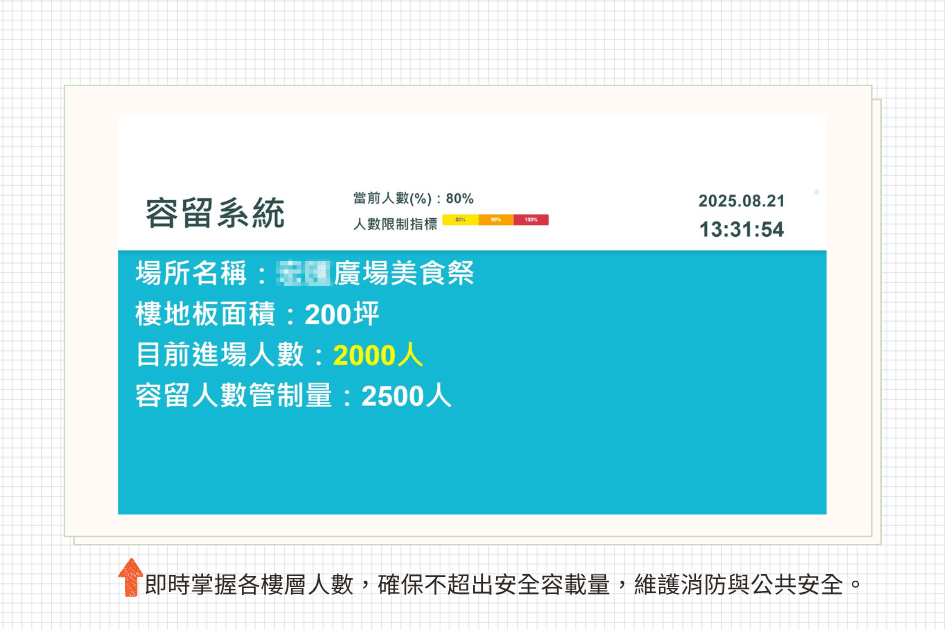
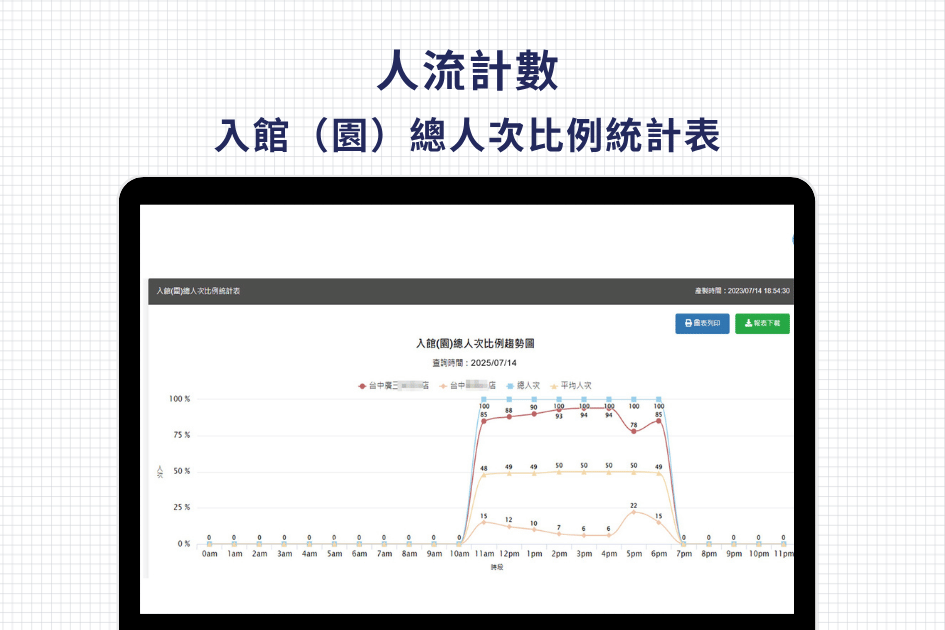
Precisely positioned 3D cameras detect foot traffic in real time, keeping track of occupancy on each floor to ensure safe capacity limits are never exceeded, supporting fire safety and public security.
The system can display real-time occupancy templates on central control workstations or entrance screens, with configurable per-zone capacity limits, along with reports and trend charts of visitor ratios, helping management stay aware of site usage and traffic changes.
- What Is Foot Traffic? How Is It Measured? Click here to learn more
AI Virtual Fence
Deployed at dock and entrance areas to detect unauthorized personnel entering restricted zones.
The AI model can identify "people," "vehicles," and "animals" as distinct categories, automatically filtering out non-intrusion events like swaying leaves or passing birds, significantly reducing false alarms.
Even in nighttime or low-light conditions, the system maintains high-precision detection; if a camera view is maliciously obstructed or damaged, the system also immediately notifies management staff, preventing monitoring blind spots.
Building-Wide CCTV System with AI Facial Tracking
A building-wide, multi-point CCTV deployment keeps real-time awareness of activity on every floor, establishing a comprehensive surveillance network that effectively reduces security staffing needs while improving monitoring efficiency.
When an incident occurs, AI facial tracking can quickly trace a person's movement by time, location, or appearance, significantly shortening investigation time, reducing the burden of manual video review, and comprehensively strengthening site security.
▌ Visitor Access and Facial Recognition System
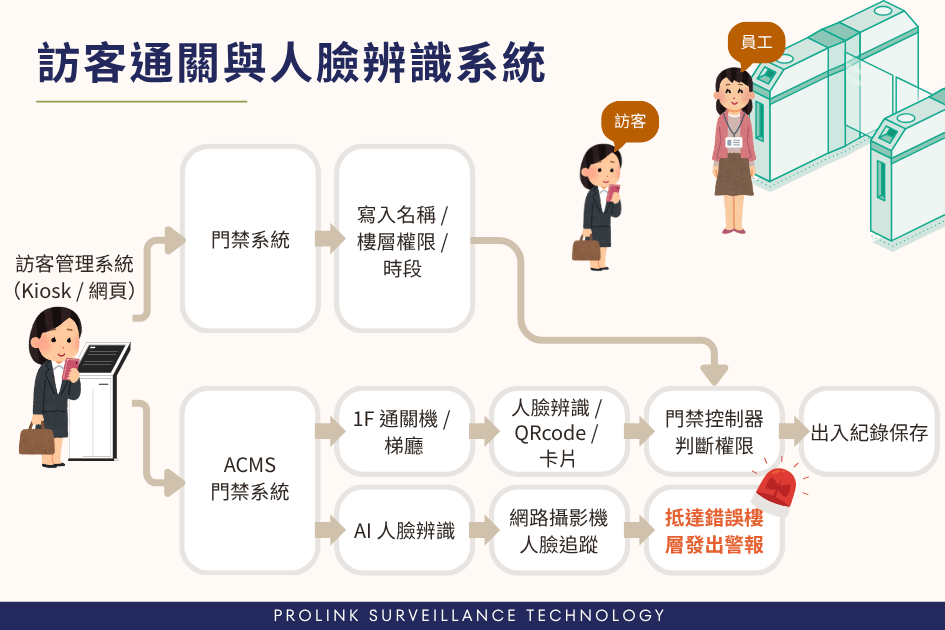
Located at a port authority office, this visitor access and access control system integrates the entry and exit process for employees and visitors, using facial recognition for identity verification and authorized access, while linking with access controllers and entry/exit record retention mechanisms to achieve smart access management that balances security and convenience.
The overall system uses 21 NVIDIA GPUs for backend AI computing, ensuring simultaneous analysis and rapid response across multiple scenes and multiple cameras.
With years of experience integrating systems for large-scale sites, Pro-Link can flexibly design the optimal AI architecture and deployment strategy based on the characteristics and operational needs of each site, delivering smart security solutions that balance performance, cost, and real-world results.