- A casual photo or ID photo is enough to enroll.
- Even when enrolled using a color photo, it can still correctly match when the camera switches to infrared mode at night.
- Can recognize users wearing any type of glasses.
- Can recognize users wearing a mask.
- Can correctly match even under high contrast or strong lighting conditions.
- Can recognize both Black and white ethnicities.
- Can prevent spoofing with cutout standees, phone photos, and similar methods.
As the AI era arrives, facial recognition systems are being applied in a wide range of scenarios — access control, attendance, visitor management, stranger alerts, blacklists/whitelists, and more. With so many facial recognition products on the market, how do you choose? What matters most? Which features are essential? Pro-Link offers the “Golden Seven Rules” for evaluating AI facial recognition products.

(1) A Casual Photo or ID Photo Is Enough to Enroll
Eliminates the need to have each person photographed individually at the camera for enrollment, greatly improving enrollment efficiency — a major consideration for businesses with many employees.
(2) Enrolled with a Color Photo, but Still Matches Correctly When the Camera Switches to Infrared Mode at Night
Because the enrollment data is a color database while infrared cameras produce black-and-white images, recognition may otherwise fail.
(3) Recognizes Users Wearing Any Type of Glasses
Since glasses can obscure facial features around the eyes, this may otherwise cause the system to fail to recognize the person.
(4) Recognizes Users Wearing a Mask
An AI facial recognition system uses real-time footage from an IP camera to recognize faces — even when wearing a mask or glasses, with only the area above the face visible, it can still perform facial recognition.
(5) Correctly Matches Even Under High Contrast or Strong Lighting
In dim indoor environments, or when there's backlighting, facial recognition may otherwise fail to work properly.
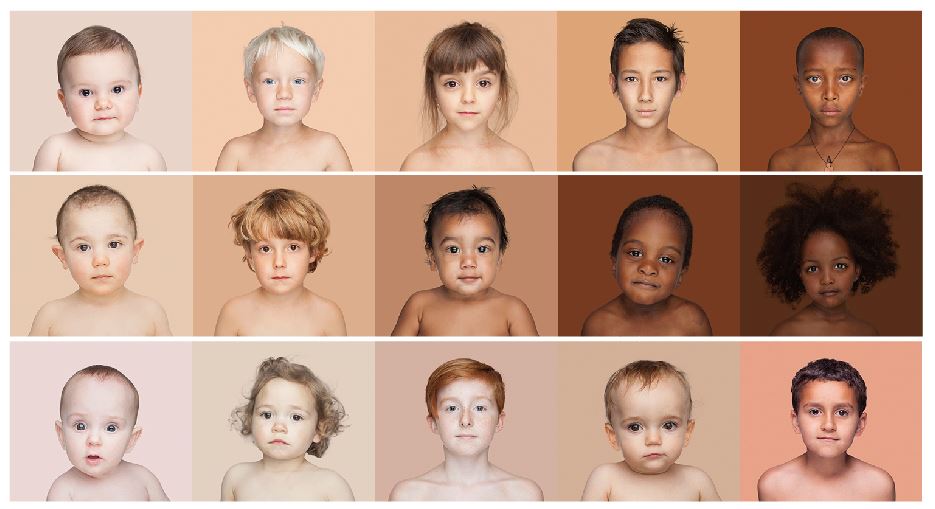
(6) Recognizes Both Black and White Ethnicities
Facial recognition accuracy can vary by ethnicity. For Black and white individuals, this is mainly limited by the training dataset and how lighting is rendered — skin that's too pale or too dark can blend with the lighting or background, resulting in poor recognition accuracy.
(7) Prevents Spoofing with Cutout Standees, Phone Photos, and Similar Methods
Unlocking with just a photo raises serious security concerns for facial recognition, which is why many liveness detection technologies have been developed as an anti-spoofing mechanism.